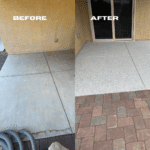
Durable Floors for Busy Homes—What Really Works?

The Truth About High-Traffic Flooring: What Actually Holds Up
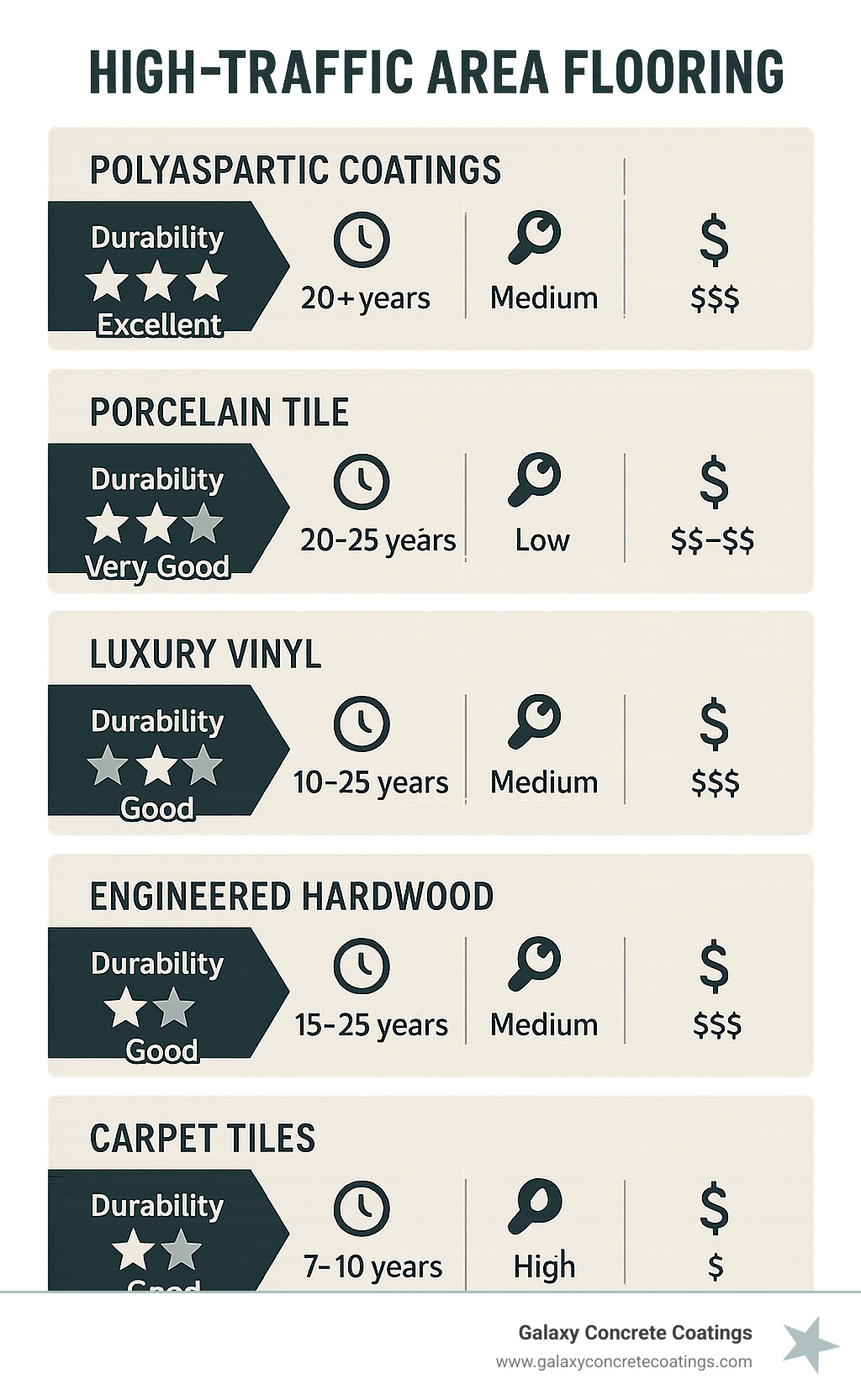
High-traffic area flooring needs to withstand constant wear while still looking good. If you’re searching for the best options for busy homes, here’s what works:
| Best Flooring for High-Traffic Areas | Durability Rating | Lifespan | Best For |
|---|---|---|---|
| Polyaspartic Concrete Coatings | Excellent | 20+ years | Entryways, garages, kitchens |
| Porcelain Tile (PEI 4-5) | Excellent | 20+ years | Bathrooms, kitchens, mudrooms |
| Luxury Vinyl Plank | Very Good | 10-25 years | Throughout home, moisture-prone areas |
| Engineered Hardwood | Good | 15-25 years | Living rooms, hallways |
| Commercial-Grade Carpet Tiles | Good | 7-10 years | Offices, bedrooms |
Every day, your floors take a beating. Kids race through hallways, pets skid around corners, and heavy furniture gets dragged across rooms. In busy households, your flooring choice isn’t just about looks—it’s about survival.
The standard options—hardwood, laminate, tile, and carpet—all have their strengths. But they also have significant drawbacks when faced with the reality of a busy home. Scratches, dents, moisture damage, and staining can turn your beautiful floors into an eyesore within months.
For concrete surfaces like garages, entryways, and basements, polyaspartic coatings offer superior protection against the heaviest traffic. These coatings create a seamless, non-porous surface that resists scratches, chemicals, and moisture far better than traditional epoxy.
I’m Hayley Shahbazi, Galaxy Concrete Coatings Manager and an expert in high-traffic area flooring solutions that truly stand the test of time in busy households. My experience with advanced polyaspartic coatings has shown that the right floor system can transform high-use areas from constant maintenance headaches into worry-free spaces.
High-Traffic Area Flooring: What Matters Most?
Choosing the right flooring for those busy areas of your home isn’t just about looks—it’s about survival! Let me walk you through what truly matters when selecting high-traffic area flooring that can handle your family’s daily marathon.
The wear layer is your floor’s first line of defense—think of it as armor against scuffs, scratches, and spills. For luxury vinyl products, wear layers range from 8 to 30 mil (that’s thousandths of an inch), and trust me, those extra mils make a world of difference! With concrete coatings, a thicker mil means better protection against whatever life throws at your floors.
As Consumer Reports finded after testing over 40 flooring products: “Durability and scratch resistance are essential for high-traffic areas. The right wear layer can mean the difference between floors that last decades versus those needing replacement after just a few years.”
Then there’s moisture resistance—a non-negotiable for busy homes. Think about it: entryways with wet boots, kitchen spills, and bathroom splashes all threaten your flooring daily. This is where non-porous surfaces like our polyaspartic coatings truly shine. Unlike traditional hardwood that can warp or laminate seams that swell when wet, polyaspartic creates a seamless shield against moisture.
When considering costs, look beyond the price tag. That budget-friendly option might seem attractive until you’re replacing it every few years! The true value comes from durability over time—installation once with minimal maintenance beats repeated replacements hands down.
For homes with four-legged family members and little ones, scratch and stain resistance becomes crucial. Dog claws, toy cars, and juice spills can quickly turn beautiful floors into a mess. The Janka hardness scale for wood and PEI ratings for tile help indicate scratch resistance, but nothing beats a completely non-porous surface for keeping stains at bay.
Many homeowners today also prioritize eco-friendly options. Look for low-VOC products that minimize harmful emissions and materials from sustainable sources to reduce your environmental footprint.
Polyaspartic Concrete Coatings—The Ultimate High-Traffic Solution
For concrete surfaces in busy areas, polyaspartic coatings are simply in a league of their own. These advanced coatings have completely transformed how we protect concrete floors, offering performance that traditional options can’t touch.
The science is impressive—polyaspartic coatings contain aliphatic polyurea that creates a chemical bond with your concrete. This isn’t just a layer sitting on top; it’s a molecular connection that results in incredible adhesion and longevity. And unlike epoxy, which leaves you waiting for days, polyaspartic cures rapidly, allowing our team to complete installation in a single day.
As our installation team lead loves to say: “The difference between polyaspartic and epoxy is like comparing modern smartphones to flip phones—they’re simply generations apart in technology and performance.”
The wear resistance is truly stellar—with four times the abrasion resistance of standard epoxy, these coatings handle heavy foot traffic, rolling furniture, and even vehicle traffic without developing those annoying wear patterns. Your busy entryways, mudrooms, and garages will stay looking fresh despite constant use.
Another major advantage is UV stability. While epoxy turns yellow and degrades in sunlight (not a good look!), polyaspartic coatings maintain their clarity and color even with direct sun exposure. This makes them perfect for sunrooms, covered patios, and areas with large windows.
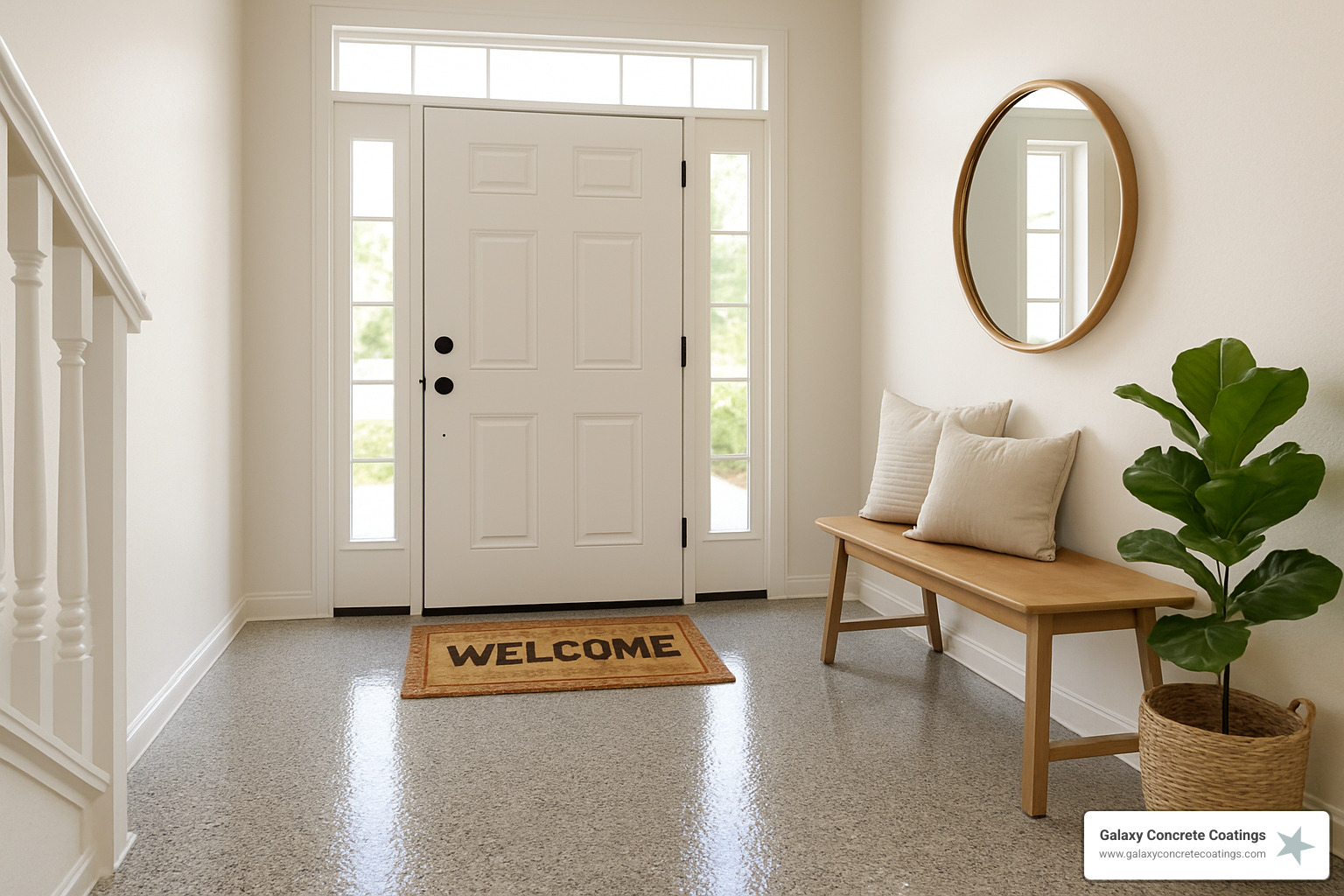
Our installation process at Galaxy is remarkably quick and efficient. We’ve perfected our techniques to complete installation in just one day, minimizing disruption to your busy household. You can typically walk on your new floor within hours and park vehicles on it within 24 hours—compared to the frustrating 5-7 day wait time typical with epoxy.
| Feature | Polyaspartic Coatings | Epoxy Coatings | Traditional Concrete |
|---|---|---|---|
| Installation Time | 1 day | 3-5 days | N/A |
| Cure Time | 24 hours | 5-7 days | N/A |
| UV Resistance | Excellent | Poor (yellows) | Poor (stains) |
| Chemical Resistance | Excellent | Good | Poor |
| Abrasion Resistance | Excellent | Good | Poor |
| Flexibility | High | Low (brittle) | None |
| Lifetime Warranty | Yes (Galaxy) | Rarely | No |
| Temperature Range | -30°F to 140°F | 50°F to 90°F | All temperatures |
The most confidence-inspiring aspect? Galaxy Concrete Coatings backs our polyaspartic installations with a lifetime warranty. We don’t offer this because we have to—we offer it because we know these floors are built to last. That level of protection simply isn’t available with most other flooring options.
For the ultimate in durability, our Polyurea Shop Floor System delivers industrial-grade protection that’s perfect even for the busiest homes.
Epoxy & Acrylic Coatings—How They Stack Up
Epoxy has been around for decades, and while it’s certainly better than bare concrete, it falls significantly short when compared to modern polyaspartic systems—especially in those high-traffic zones of your home.
The biggest issue with epoxy in busy households is its relatively soft surface. Under constant foot traffic, epoxy develops noticeable wear patterns and typically begins to dull within just 2-3 years. Drop something heavy? Epoxy’s brittleness makes it prone to chipping and cracking.
Our technical director puts it perfectly: “Epoxy is like the flip phone of concrete coatings—it works, but there are far better options available today. When clients upgrade to our polyaspartic systems, they’re often amazed at the difference in durability.”
That yellowing issue is a real eyesore too. Epoxy notoriously discolors when exposed to UV light—a particular problem in areas with natural light, like entryways with glass doors or garages with windows. Our polyaspartic coatings maintain their beautiful clarity and color even in direct sunlight.
The installation experience is night and day. Epoxy typically demands 3-5 days for installation and then another 5-7 days of cure time before you can fully use the surface. That’s nearly two weeks of disruption! Our polyaspartic coatings, however, can be installed in a single day and are typically ready for foot traffic within hours—getting your busy household back to normal fast.
Daily maintenance is easier with polyaspartic too. Epoxy’s more porous surface tends to trap dirt and stain more easily, requiring more frequent deep cleaning. The seamless, non-porous nature of our polyaspartic coatings means simple sweeping and occasional mopping keeps them looking great.
Temperature sensitivity is another epoxy drawback. It can’t be installed below 50°F or above 90°F, and even after curing, extreme temperatures affect its performance. Our polyaspartic coatings can be installed in a much wider temperature range and perform beautifully from -30°F to 140°F—perfect for spaces that experience seasonal temperature swings.
For a detailed breakdown of how polyaspartic outshines epoxy in virtually every category, check out our comprehensive comparison: Polyaspartic vs. Epoxy.
As for acrylic coatings, while they offer quick application and lower upfront costs, they simply don’t provide the durability needed for high-traffic areas. Their thin application and minimal abrasion resistance make them suitable only for low-traffic decorative applications—not for busy households with children, pets, or frequent guests.
Common Flooring Surfaces—Pros, Cons & Comparisons
Beyond concrete coatings, several traditional flooring options are commonly considered for high-traffic areas. Let’s explore how they perform where it matters most.
Laminate Flooring
Laminate offers a budget-friendly way to achieve a hardwood look. Modern laminates include a wear layer designed to resist scratches and stains, with AC ratings (Abrasion Class) indicating durability—look for AC3 or AC4 for busy areas.
The catch? Laminate’s core is typically high-density fiberboard, which can swell and warp when exposed to moisture. This makes it problematic for entryways, kitchens, and bathrooms. Those click-lock seams can also separate over time with heavy foot traffic.
Consumer Reports recommends: “Look for laminate with a minimum 12mm thickness and AC4 rating for busy areas. But be aware that even the best laminate is vulnerable to moisture damage at the seams.”
Luxury Vinyl Plank (LVP)
Luxury vinyl has become incredibly popular for high-traffic areas because it combines durability, water resistance, and realistic appearance. The best LVP products feature wear layers of 20 mil or thicker, providing good scratch and stain resistance.
As one flooring expert notes: “Luxury vinyl planks combine the waterproof performance needed in busy homes with the aesthetic appeal homeowners desire. Its resilience under heavy foot traffic makes it ideal for families with children and pets.”
The downsides? LVP can dent under heavy furniture, is vulnerable to temperature extremes (causing expansion and contraction), and raises environmental concerns about vinyl production and disposal.
Porcelain and Ceramic Tile
Tile remains one of the most durable traditional flooring options, particularly porcelain with a PEI rating of 4 or 5. Fired at extremely high temperatures, porcelain creates a dense, hard surface that resists scratches, moisture, and stains very well.
The drawbacks? That cold, hard surface underfoot isn’t always comfortable, heavy objects can cause cracking, and those grout lines become stain magnets requiring regular maintenance. Installation is also complex and typically requires professional expertise.
Hardwood and Engineered Wood
Traditional hardwood offers timeless appeal but can be vulnerable in busy areas. Harder species like oak, maple, and hickory perform better than softer woods like pine. Engineered hardwood, with its cross-layered construction, offers improved stability in varying humidity.
Both solid and engineered wood can be refinished when wear becomes visible—a nice long-term value. However, they remain susceptible to scratches, dents, and moisture damage, making them less ideal for entryways, kitchens, or homes with large dogs.
Carpet Tiles
For areas where soft flooring is desired, commercial-grade carpet tiles offer advantages over traditional wall-to-wall carpet. Their modular design allows you to replace individual tiles when worn or stained rather than the entire floor. Loop pile construction resists crushing better than cut pile in high-traffic zones.
The main disadvantage? Any carpet in busy areas will show wear patterns and trap dirt, requiring frequent vacuuming and periodic deep cleaning.
Polyaspartic Concrete Coatings: The Superior Alternative
For concrete floors in high-traffic areas, our polyaspartic coatings offer distinct advantages over all traditional options. They create a seamless, non-porous surface that combines exceptional durability with minimal maintenance.
Unlike laminate or LVP, there are no seams to separate or edges to lift. Unlike tile, there’s no grout to stain or maintain. And unlike wood, polyaspartic coatings are completely waterproof and highly resistant to scratches and impact.
Our customer service manager often hears: “When clients compare the long-term performance of our polyaspartic coatings to traditional flooring in their high-traffic areas, they’re amazed at how well the coatings maintain their appearance year after year. The seamless, durable surface simply outperforms everything else on concrete.”
High-Traffic Flooring for Moisture-Prone Zones
Kitchens, bathrooms, mudrooms, and entryways face a double challenge—heavy foot traffic plus frequent exposure to water, spills, and sometimes snow or mud. The perfect flooring for these spaces needs to combine exceptional durability with waterproof performance.
Our polyaspartic concrete coatings excel in these demanding environments due to their completely non-porous nature. Unlike tile with its grout lines or laminate and luxury vinyl with seams, polyaspartic creates a continuous waterproof barrier that prevents moisture from reaching the concrete below.
As our technical director explains: “Water is the enemy of most flooring materials. Even small amounts of moisture that seep through seams or grout can cause significant damage over time. Our seamless polyaspartic systems eliminate this vulnerability entirely.”
In kitchens, where spills happen daily and dropped items are common, polyaspartic coatings provide superior protection. Their chemical resistance means acidic foods like tomato sauce or lemon juice won’t stain or etch the surface. Their impact resistance helps prevent chipping or cracking when that heavy cast iron pan slips from your grip.
For commercial kitchens facing even more extreme conditions, our specialized systems offer improved protection. Learn more about our Commercial Kitchen Flooring solutions that meet health code requirements while standing up to constant use.
Bathrooms benefit tremendously from polyaspartic’s complete waterproofing and resistance to common chemicals found in cleaning products and personal care items. The seamless application eliminates those grout lines where mold and mildew love to grow in tile installations.
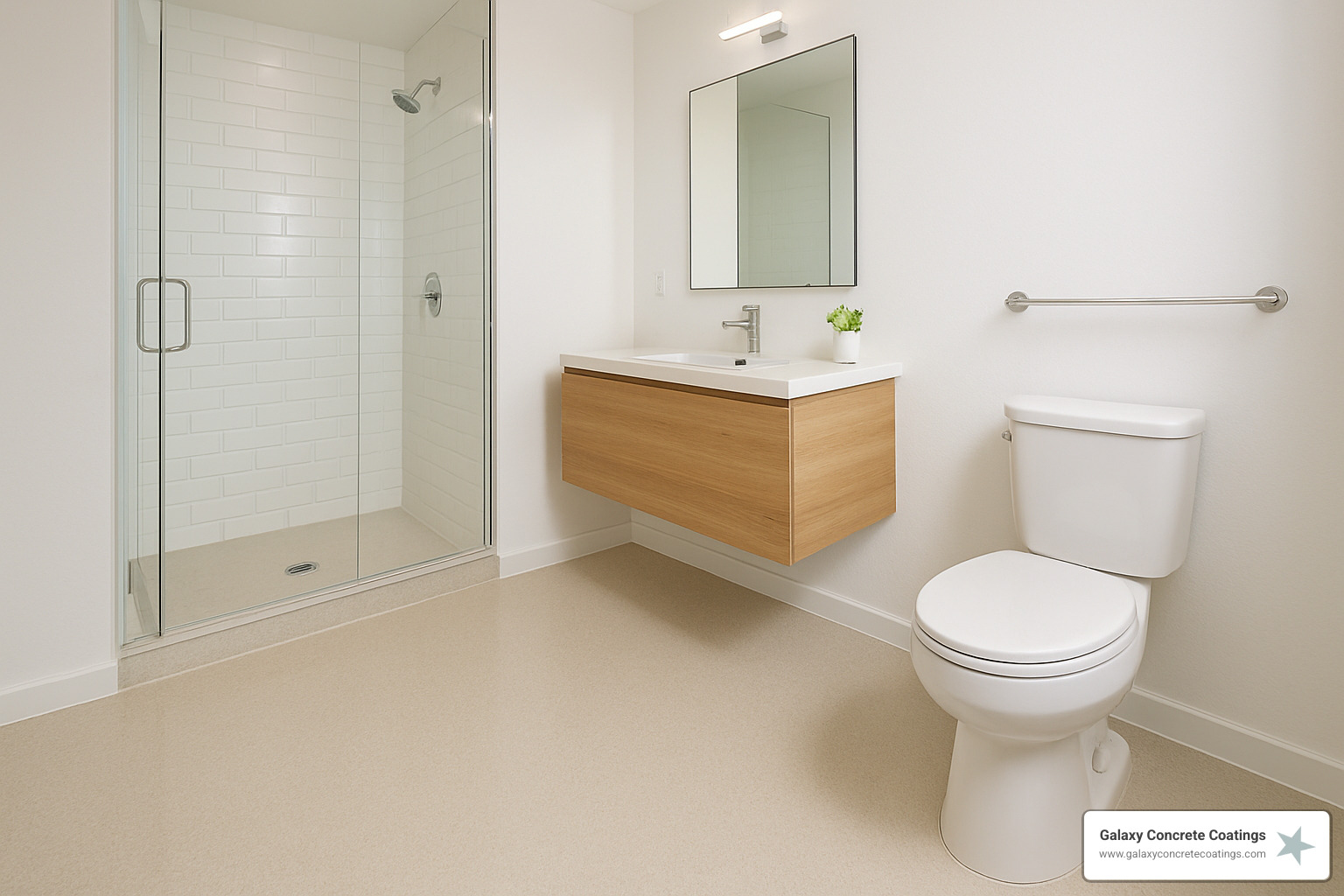
Mudrooms and entryways face perhaps the toughest conditions in many homes. These spaces must withstand not just heavy foot traffic but also tracking of water, snow, salt, and mud. The chemical resistance of our polyaspartic means that even road salt and ice melt compounds won’t damage the surface—a huge advantage in colder climates.
Safety is another critical factor in moisture-prone areas. Galaxy’s polyaspartic systems can be customized with varying degrees of texture to provide appropriate slip resistance for different environments. This texture is integrated into the coating system, unlike aftermarket anti-slip treatments that wear off over time.
“The slip-resistant finish we apply to bathroom and kitchen floors provides peace of mind without compromising cleanability,” notes our installation team leader. “It’s especially important for households with children or elderly family members.”
For concrete surfaces in these challenging areas, polyaspartic coatings truly represent the gold standard—combining high-traffic area flooring durability with complete moisture protection to create worry-free floors that maintain their beauty despite constant use and exposure to water.
Sustainable & Health-Conscious Options
Today’s homeowners care deeply about both environmental sustainability and indoor air quality when choosing flooring. The challenge is finding options that are both eco-friendly and tough enough to handle heavy traffic without frequent replacement.
Our polyaspartic coatings offer significant environmental advantages compared to many traditional flooring materials. Their exceptional longevity means fewer replacements over time, dramatically reducing waste and resource consumption. A properly installed polyaspartic system can last 20+ years in busy residential settings, compared to carpet (7-10 years), vinyl (10-15 years), or lower-quality coatings that might need replacement after just 5-7 years.
As our environmental compliance officer puts it: “The most sustainable floor is one you don’t have to replace. Our polyaspartic systems are designed to last decades, not years, dramatically reducing waste and resource consumption.”
Modern polyaspartic formulations, including those used by Galaxy Concrete Coatings, feature low-VOC compositions that minimize harmful emissions. This contributes to healthier indoor air quality—particularly important in homes with children, elderly residents, or individuals with respiratory sensitivities.
The seamless nature of our coatings also improves indoor air quality by eliminating seams, grout lines, and edges where allergens, dust, and bacteria love to hide. This makes them an excellent choice for allergy sufferers and those concerned about creating a healthier home environment.
For homes with concrete floors, applying a polyaspartic coating actually “upcycles” the existing substrate rather than requiring new materials. This approach preserves the embodied energy in the original concrete while upgrading its performance and appearance—a win-win for sustainability and functionality.
“When we install over existing concrete, we’re essentially changing what you already have rather than consuming new resources,” explains our installation team lead. “It’s a fundamentally sustainable approach to flooring.”
Among traditional flooring options, several offer improved environmental profiles for high-traffic areas:
- Porcelain tile made from natural clay and minerals offers excellent durability with minimal off-gassing
- Cork flooring provides natural resilience from a rapidly renewable resource
- Engineered hardwood with FSC certification ensures responsible forestry practices
- Carpet tiles made from recycled materials allow for spot replacement of worn areas
However, these options typically can’t match polyaspartic coatings when it comes to combining sustainability with the exceptional durability needed in high-traffic zones.
By choosing Galaxy’s polyaspartic coatings for your busy concrete floors, you’re making a choice that aligns environmental responsibility with practical performance—creating healthy, beautiful spaces that will stand the test of time while being gentle on our planet.
Installation, Maintenance & Longevity Strategies
Let’s face it – even the best high-traffic area flooring won’t perform well if it’s not installed properly or maintained with care. Think of your flooring as a long-term relationship that needs attention to thrive, especially in those busy areas of your home.
Proper subfloor preparation is absolutely critical, particularly for concrete floors that will receive polyaspartic coatings. At Galaxy, we use diamond grinding to thoroughly clean the surface and create the perfect profile for maximum adhesion. This isn’t just an extra step – it’s the foundation that ensures your coating won’t peel up when life gets hectic.
“Ninety percent of coating failures can be traced back to inadequate surface preparation,” our technical director often reminds our teams. “We never cut corners on prep because we know it’s the foundation of a durable installation.”
Different flooring materials have their own subfloor requirements. Tile needs a completely flat, stable base to prevent cracking. Hardwood and engineered wood are particular about moisture content. Luxury vinyl demands a smooth surface underneath. Get these wrong, and even the most expensive flooring will fail prematurely in high-traffic zones.
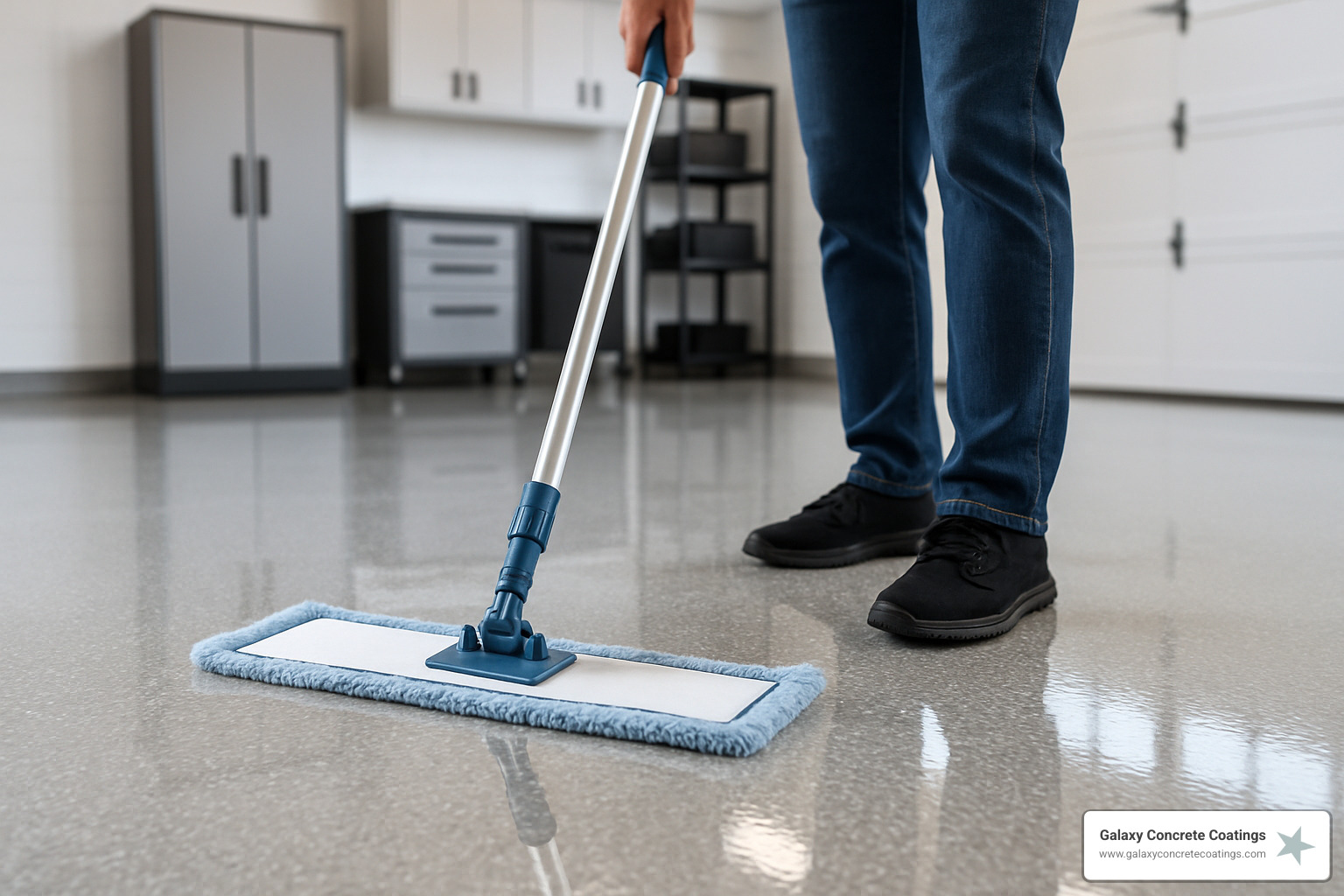
Once your flooring is beautifully installed, simple daily maintenance makes all the difference. The easiest habit to develop? Regular sweeping or vacuuming to remove those tiny abrasive particles that act like sandpaper underfoot. These seemingly innocent specks of dirt become surprisingly destructive when ground into your floors with every footstep.
For polyaspartic coatings, maintenance is refreshingly simple. Just sweep regularly and occasionally damp mop with a pH-neutral cleaner. No waxing, no polishing, no special treatments needed. The non-porous surface doesn’t trap dirt or stains, making cleanup a breeze even in the busiest households.
“Our clients are often amazed at how easy it is to maintain their polyaspartic floors,” shares our customer service manager. “Many have come from homes with high-maintenance flooring and can’t believe the difference in upkeep requirements.”
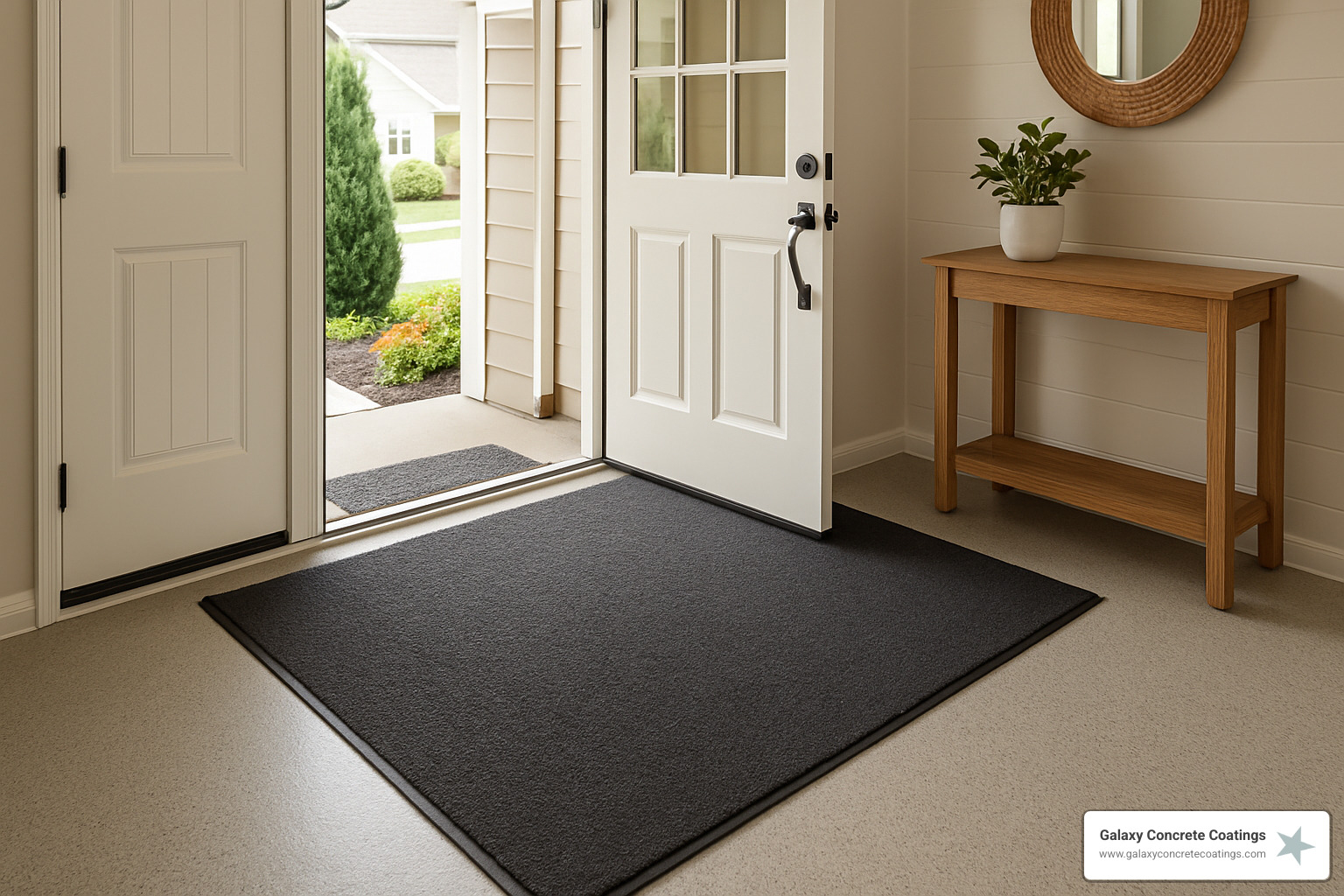
Strategic use of mats and rugs works wonders for extending floor life. Entry mats that capture dirt, moisture, and debris before they reach your main floor are particularly effective. While commercial settings might use elaborate 20-30 foot entry matting systems, even a 6-10 foot solution at home can dramatically reduce wear and tear.
Don’t forget furniture pads under heavy pieces to prevent dents and scratches when items inevitably get moved. For office chairs or other rolling furniture, invest in the right casters designed specifically for your flooring type to prevent damage from concentrated pressure.
When thinking about the true cost of flooring, look beyond just the initial price tag. Consider maintenance requirements, expected lifespan, and eventual replacement costs. While polyaspartic coatings may have a higher upfront cost than some alternatives, their minimal maintenance needs and exceptional longevity (20+ years!) typically result in significantly lower total cost over time.
“When clients do the math on 20+ years of performance with minimal maintenance versus replacing other flooring every 5-10 years, the value proposition becomes very clear,” explains our sales director. “Add in the lifetime warranty we offer, and it’s really no contest for concrete surfaces.”
DIY vs. Pro: Why Professional Installation Wins
We understand the appeal of DIY projects – saving money while getting that satisfaction of completing something yourself feels great. But when it comes to high-traffic area flooring, professional installation almost always delivers better long-term results and value.
This is especially true for advanced systems like polyaspartic coatings. While you can find DIY epoxy kits at most home improvement stores, professional-grade polyaspartic coatings require specialized equipment, precise mixing ratios, and expert application techniques to achieve their full performance potential.
“The difference between a professionally installed polyaspartic coating and a DIY epoxy kit is like comparing a custom-custom suit to something off the rack,” our head of installation often explains. “They might look similar at first glance, but the fit, finish, and longevity are worlds apart.”
Professional installers bring several crucial advantages that DIY simply can’t match:
First, proper surface preparation makes all the difference. Our pros have commercial-grade equipment and expertise to thoroughly prepare concrete surfaces – including diamond grinding, crack repair, and moisture mitigation when needed. These critical steps are nearly impossible to accomplish properly with rental equipment, yet they often determine whether your coating will last for decades or fail within months.
Second, material quality matters enormously. At Galaxy, we use commercial-grade materials with proprietary additives and higher solids content than DIY products could ever offer. This results in superior adhesion, flexibility, and resistance to daily wear and tear.
Third, application expertise can’t be overstated. The timing, thickness, and technique all significantly impact coating performance. Our professionals understand how environmental conditions affect cure times and can adjust accordingly to ensure optimal results in your specific space.
Perhaps most importantly for busy households, professional installation comes with warranty protection that DIY projects simply don’t offer. Galaxy provides a lifetime warranty on our professionally installed polyaspartic systems – giving you peace of mind that your investment is protected.
The cost difference between DIY and professional installation often shrinks when you consider the complete picture. DIY requires renting or purchasing specialized equipment, buying materials (often with significant waste), and investing considerable time – typically 3-4 days for a basic epoxy installation versus just one day for Galaxy’s professional polyaspartic application.
“When clients factor in their time, equipment rental, and the risk of a failed installation, the value of professional installation becomes clear,” notes our customer service team. “And that’s before considering the superior performance and warranty coverage.”
While DIY might work for lower-traffic areas or temporary solutions, high-traffic zones demand the durability and performance that only professional installation provides. When your floors face constant use from family, pets, and guests, professional installation isn’t just a luxury—it’s an investment in long-term performance and peace of mind.
Scratch-Resistant Finishes & Wear Layers Explained
The science behind scratch resistance isn’t just fascinating – it’s essential knowledge for choosing the right high-traffic area flooring. Understanding wear layers, surface treatments, and material hardness helps you select flooring that will maintain its appearance despite daily challenges.
For polyaspartic coatings, scratch resistance comes from a perfect combination of the cured polymer’s inherent hardness, its thickness, and just the right amount of flexibility. Galaxy’s polyaspartic systems typically apply at 10-12 mils dry film thickness (DFT), creating a surface significantly more resistant to abrasion than standard epoxy (which usually only manages 3-6 mils DFT).
“The abrasion resistance of our polyaspartic coatings is tested according to ASTM D-4060, which measures weight loss under standardized abrasive wheel testing,” explains our technical director. “Our formulations show minimal weight loss even after thousands of cycles—translating to decades of real-world performance in high-traffic areas.”
In luxury vinyl products, wear layers are measured in mils, with residential products typically ranging from 8-12 mils and commercial grades offering 20-30 mils. These transparent urethane layers protect the decorative film beneath, with thicker layers providing greater scratch protection – but they still can’t match the durability of a properly installed polyaspartic coating.
Hardwood floors rely on both the natural hardness of the wood species (measured by the Janka scale) and the type of finish applied. Traditional polyurethane finishes offer decent protection but typically need complete refinishing every 5-10 years in high-traffic areas. Modern aluminum oxide-improved finishes provide significantly better scratch resistance, though they’re more difficult to spot-repair when damage does occur.
Laminate flooring uses a transparent wear layer over its photographic design layer, with durability indicated by its Abrasion Class (AC) rating. For busy households, AC3 or preferably AC4 ratings are recommended, while commercial spaces should use AC4 or AC5 rated products.
Porcelain and ceramic tile are rated on the Porcelain Enamel Institute (PEI) scale from 1-5, with ratings of 4 or 5 appropriate for high-traffic areas. The exceptional hardness of properly fired porcelain makes it naturally resistant to scratching, though grout lines remain vulnerable to staining and wear.
For concrete floors, the comparison between polyaspartic coatings and alternatives tells a compelling story:
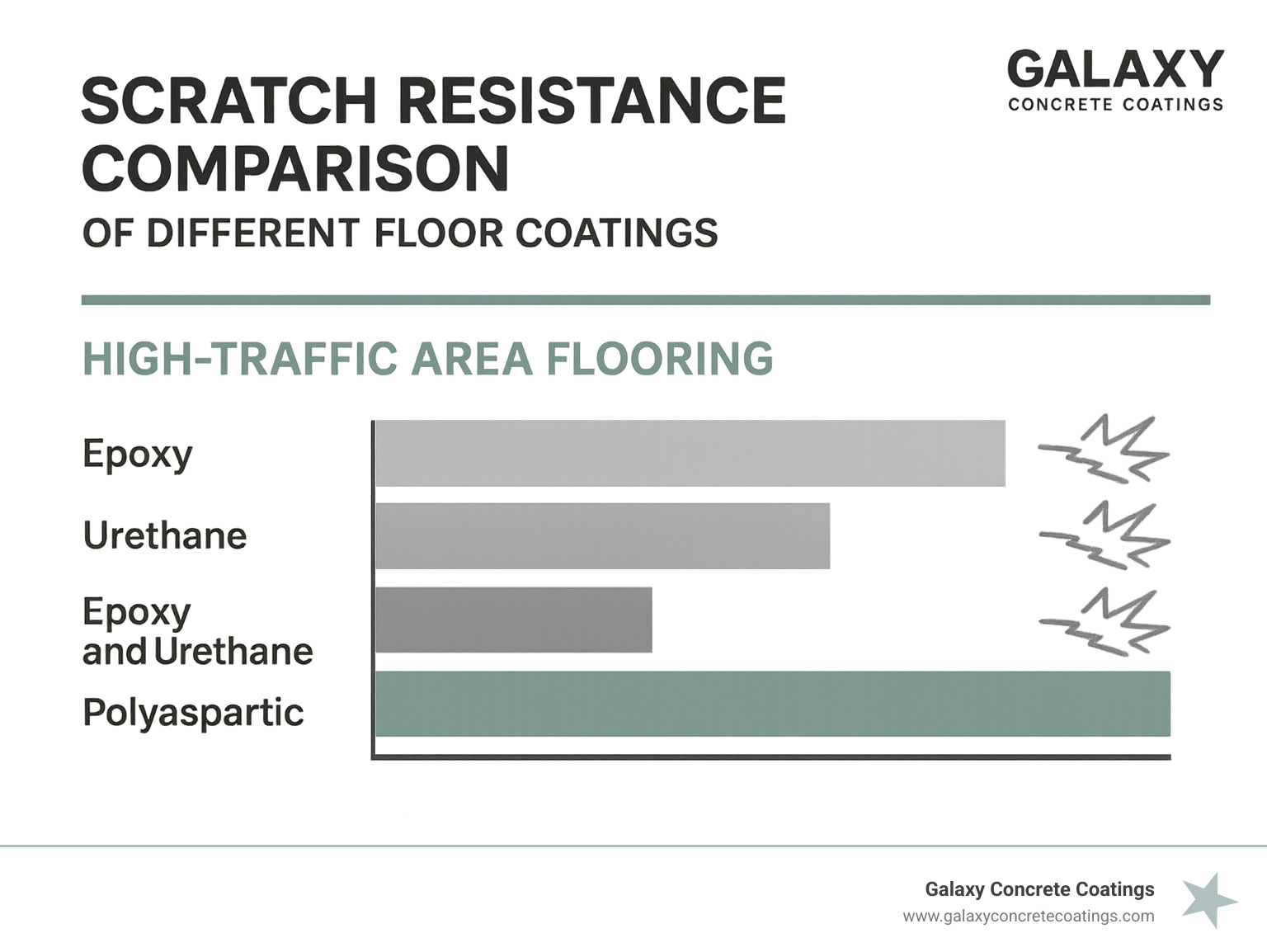
“What makes polyaspartic coatings truly special is their unique combination of hardness and flexibility,” our installation team often explains to curious homeowners. “Traditional epoxy is relatively hard but brittle, while urethanes are flexible but softer. Polyaspartic achieves the perfect balance—hard enough to resist scratches but flexible enough to prevent cracking under impact.”
Recoat cycles also factor heavily into long-term performance. While polyaspartic coatings typically maintain their appearance for 20+ years before potentially needing a refresh coat, most other flooring options require much more frequent attention:
Hardwood floors need refinishing every 5-10 years in high-traffic areas. Luxury vinyl and laminate can’t be refinished at all – when they’re worn, complete replacement is your only option. Tile grout needs resealing every 1-2 years, though the tiles themselves rarely need replacement unless they crack.
For concrete floors in busy areas, polyaspartic coatings clearly offer superior scratch resistance and longevity compared to alternatives—creating durable, beautiful surfaces that maintain their appearance despite constant use.
Protecting Floors With Rugs, Mats & Coatings
Even the most durable high-traffic area flooring benefits from strategic protection. By combining smart flooring choices with targeted protection strategies, you can keep your floors looking beautiful despite the daily parade of feet, paws, and wheels.
Entry mats are your floors’ first line of defense. Commercial buildings typically use sophisticated three-stage entry systems: an exterior scraper mat, a transitional mat for additional debris removal, and an interior mat to capture remaining particles and moisture. While this extensive approach might be overkill for most homes, even a simple two-stage system can dramatically reduce wear and tear.
“A high-quality entry mat system can capture up to 80% of soil before it reaches your main flooring,” our maintenance specialist often tells clients. “This simple step probably does more to extend floor life than any other single measure.”
For maximum effectiveness, your entry mats should extend at least 6-10 feet from exterior doors. The combination of scraper and absorbent mats works best, with regular cleaning to prevent the mats themselves from becoming soil reservoirs that do more harm than good.
Area rugs strategically placed in high-traffic pathways provide additional protection right where you need it most. Runners in hallways, rugs at the foot of stairs, and mats in front of sinks or stoves can prevent premature wear in these heavily used zones. For safety and effectiveness, make sure rugs include non-slip backing or separate rug pads to prevent shifting and tripping hazards.
Furniture pads are essential for preventing dents and scratches when heavy items are moved. Felt pads work well for most applications, though plastic glides may be preferable for carpeted areas. For frequently moved pieces like dining chairs, get in the habit of regular inspection and replacement of worn pads before they can damage your floors.
For concrete floors, protective coatings offer the ultimate defense against wear, staining, and damage. Polyaspartic coatings create a seamless barrier that prevents contaminants from reaching the substrate while providing exceptional abrasion resistance that stands up to daily life.
“What makes our polyaspartic systems so effective is that they don’t just sit on top of the concrete—they penetrate and bond with it,” explains our technical director. “This creates a protective system that moves with the concrete rather than separating from it under stress.”
UV protection is another important consideration, particularly for areas with significant natural light. While polyaspartic coatings are naturally UV-stable, many other flooring types—including hardwood, luxury vinyl, and especially epoxy—can fade or yellow with sun exposure. Window treatments or UV-filtering films can help protect vulnerable flooring from sun damage.
For pet owners, a few additional protection strategies can make a world of difference:
Keep those pet nails trimmed regularly to reduce scratching potential. Use washable mats under food and water bowls to catch spills before they reach your main flooring. Create “wipe zones” with absorbent mats at exterior doors to catch muddy paws. And always select pet-friendly cleaning products that won’t damage your floor’s protective finishes.
By combining the inherent durability of high-performance flooring like polyaspartic coatings with these strategic protection measures, you can create spaces that maintain their beauty despite the daily challenges of a busy household. Your floors will thank you with years of beautiful performance, even in the most heavily used areas of your home.
Conclusion
When it comes to high-traffic area flooring, your choices today will impact your home’s appearance and maintenance requirements for years to come. While traditional options like hardwood, laminate, luxury vinyl, and tile each have their merits, nothing quite compares to the stellar performance of concrete surfaces finished with advanced polyaspartic coatings. For busy households seeking the perfect balance of durability, minimal upkeep, and beautiful aesthetics, these coatings are simply in a different orbit.
What makes polyaspartic coatings shine so brightly in high-traffic environments is their chemistry. They create a surface that stands up to daily life’s constant challenges—resisting scratches when the kids race through with toys, shrugging off stains when drinks inevitably spill, and maintaining their luster despite the sunshine streaming through your windows. The seamless application eliminates vulnerable grout lines and seams where dirt loves to hide, while the non-porous finish means allergens and pet dander have nowhere to settle.
“The floors in your home should serve your lifestyle, not dictate it,” says our founder. “Our mission is to transform high-maintenance concrete floors into carefree surfaces that look beautiful despite everything life throws at them.”
For homeowners who’ve grown tired of the endless cycle of cleaning, maintaining, and eventually replacing worn flooring in busy areas, Galaxy Concrete Coatings offers a truly astronomical solution. Our installation process takes just one day—minimizing disruption to your household’s orbit—while our lifetime warranty provides peace of mind that’s simply out of this world.
The true value of any flooring solution isn’t just in that first-day sparkle, but in how it withstands your family’s daily constellation of activities over time. By choosing Galaxy’s polyaspartic coatings for your concrete surfaces, you’re investing in floors that will continue to shine brightly year after year, without demanding constant attention or premature replacement.
Our team of flooring experts provides stellar service to homeowners across our service areas, including [Cincinnati](https://galaxyconcretecoatings.com/ohio/cincinnati/), [Denver](https://galaxyconcretecoatings.com/colorado/denver/), [Indianapolis](https://galaxyconcretecoatings.com/indiana/indianapolis/), [Phoenix](https://galaxyconcretecoatings.com/arizona/phoenix/), and [Tucson](https://galaxyconcretecoatings.com/arizona/tucson/).
Ready to launch your concrete floors into a new dimension of durability and beauty? Explore our residential coatings and find why our customers give us five-star ratings across the galaxy. Your journey to worry-free, high-performance floors that will stand up to life’s heaviest traffic is just one small step away!