

From Drab to Fab: A Guide to Resurfacing Your Concrete Driveway
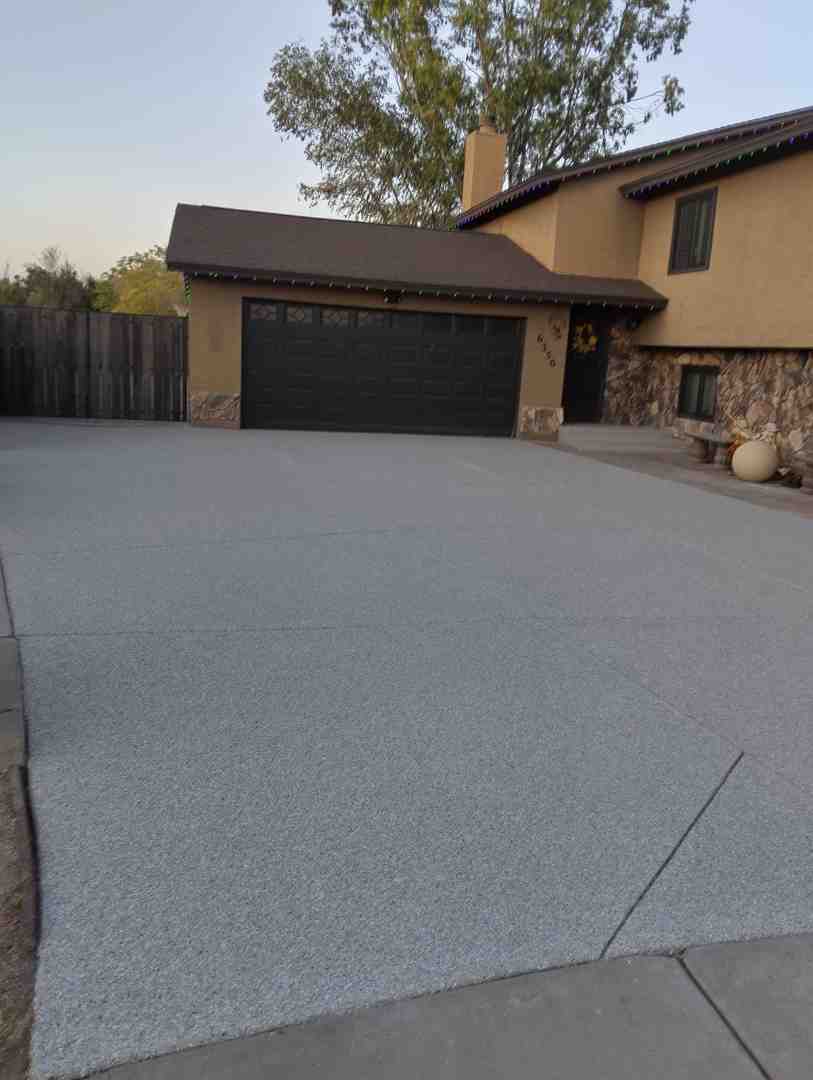
Transform Your Driveway Without Starting From Scratch
Is your once-beautiful concrete driveway now telling tales of better days? Those cracks, stains, and faded patches aren’t just eyesores—they’re quietly chipping away at your home’s curb appeal and potentially your property value too.
But here’s the good news: you don’t need to break the bank with a complete tear-out and replacement.
Concrete driveway resurfacing offers that sweet spot between a quick patch job and starting from scratch. It’s like giving your driveway a new lease on life without the hefty price tag of replacement.
| Concrete Driveway Resurfacing At-a-Glance |
|---|
| Average Cost: $2,000 ($3-$9 per sq ft) |
| Lifespan: 10-20 years with proper maintenance |
| Best For: Driveways less than 20 years old with surface-level damage |
| Process Time: Typically 1-2 days |
| DIY Friendly: Possible but professional results last longer |
By applying a specialized concrete overlay to your existing driveway, you’ll create a fresh surface that looks brand new. The best part? This approach typically costs 50% to 70% less than complete replacement while adding 10-20 years to your driveway’s life when properly maintained.
“Ideally, a concrete driveway will last the lifetime of your home. But, there are conditions that can shorten its lifespan and result in unsightly cracking, discoloration, settlement or scaling,” notes a concrete industry expert.
Hi there! I’m Hayley Shahbazi, Galaxy Concrete Coatings Manager. We’ve experts at perfecting our approach to driveway resurfacing, focusing particularly on advanced polyaspartic coating systems that outperform traditional options in both durability and appearance. I’ve seen how the right resurfacing can transform even severely worn driveways into stunning, long-lasting surfaces.

Why Your Driveway Looks Worn Out
Understanding what’s attacking your driveway helps you make smarter decisions about fixing it. Your concrete surface is constantly battling several enemies:
The notorious freeze-thaw cycles are perhaps concrete’s worst nightmare. Water sneaks into tiny cracks, freezes and expands, then thaws—repeating this destructive dance dozens of times each winter in colder climates.
Those oil and chemical stains aren’t just cosmetic problems. They actually penetrate the concrete surface over time, breaking down the material from within. Every time your car drips fluid, it’s potentially shortening your driveway’s lifespan.
Don’t underestimate the power of UV exposure either. Just like it ages our skin, the sun gradually fades concrete color and breaks down protective sealers, leaving your driveway vulnerable to other forms of damage.
Spalling—those pitted areas with small chunks missing—often results from poor initial concrete mixing. “Spalling happens when too much water is used in a concrete mix, weakening it,” explains Tom Silva, a concrete expert. Harsh deicing chemicals can accelerate this problem too.
And let’s not forget about heavy loads. That moving truck parked in your driveway for a weekend or the dumpster during your renovation project might have exceeded what your concrete was designed to handle.
The good news? Most of these issues affect only the surface layer of your driveway—making resurfacing the perfect solution when the underlying structure remains solid.
Concrete Driveway Resurfacing 101: Costs, Benefits & Key Decisions
When considering concrete driveway resurfacing, you’re making an investment in both your property’s value and its curb appeal. Understanding the basics will help you make informed decisions about whether this approach is right for your situation.
Imagine pulling into your driveway and feeling pride instead of embarrassment. That’s what resurfacing delivers – a beautiful entrance to your home that won’t break the bank. At roughly half the price of full replacement, resurfacing is budget-friendly while still delivering impressive results.
Beyond the financial benefits, resurfacing is also the environmentally conscious choice. By avoiding demolition, you’re keeping tons of concrete out of landfills. Plus, most projects wrap up in just 1-2 days, meaning less disruption to your daily life compared to a week-long replacement project.
The cherry on top? Today’s overlay materials offer incredible customization options. Whether you want a simple color refresh or eye-catching decorative patterns, the choice is yours. And with modern polyaspartic coatings like those we use at Galaxy Concrete Coatings, your refreshed driveway will actually outperform the original concrete with superior UV resistance and excellent chemical protection.
What Is Concrete Driveway Resurfacing?
Concrete driveway resurfacing isn’t just slapping new concrete over old. It’s a precise process that involves applying a specialized thin overlay (typically 1/8″ to 1/4″ thick) designed specifically to bond permanently with your existing concrete.
Think of it as giving your driveway a new skin rather than a complete transplant. These modern resurfacing materials contain a scientific blend of Portland cement, fine aggregates for strength, polymer additives for flexibility, and sometimes specialized reinforcing fibers.
The magic happens in the chemical bond between old and new surfaces. Unlike paint that sits on top, these polymer-modified overlays actually become one with your existing concrete. The result? A completely renewed surface strong enough to handle the weight of vehicles while looking fresh and new.
“Concrete resurfacing is a way to refinish old concrete to look new again, offering a variety of color, texture and pattern options,” according to industry professionals with decades of experience. The change can be truly remarkable, often making neighbors wonder if you installed a completely new driveway.
Resurfacing vs. Repairing vs. Replacing
Confused about which approach makes sense for your driveway? You’re not alone. Here’s a straightforward comparison to help clear things up:
| Approach | Best For | Typical Cost | Lifespan | Process Time |
|---|---|---|---|---|
| Repairing | Small, isolated cracks and damage | $300-$800 | 2-5 years | 1 day |
| Resurfacing | Surface-level damage across driveway | $1,000-$5,000 | 10-20 years | 1-2 days |
| Replacing | Structural failure, severe settling | $4,000-$15,000 | 30+ years | 5-7 days |
When your driveway has just a few small cracks or isolated damage, repairing might be sufficient. This typically involves patching specific areas or using crack fillers. For sunken sections, techniques like slabjacking (pumping material under the slab to raise it) could solve the problem.
Resurfacing shines when damage is widespread but superficial. If you’re seeing multiple hairline cracks, surface flaking, discoloration, or minor pitting across large areas, resurfacing gives you a fresh start without the hefty price tag of replacement.
When structural issues appear – major settling, extensive deep cracking, or significant heaving – replacing becomes necessary. Think of it as the difference between needing a new coat versus needing a new foundation. Some problems simply can’t be fixed with a surface treatment.
When Resurfacing Makes Sense—and When It Doesn’t
Not every driveway is a good candidate for resurfacing. Making the right call now can save you thousands down the road.
Resurfacing is ideal when your driveway is less than 20 years old and the concrete remains structurally sound underneath. If your damage is primarily cosmetic (like stains, minor surface cracks, or fading), resurfacing can work wonders. Hairline cracks smaller than a credit card’s width are generally no problem for a quality overlay.
“The first and most important step is to figure out what caused the damage and then determine the best repair procedure for solving the problem,” advises concrete industry experts. This detective work is crucial to ensuring lasting results.
On the flip side, resurfacing is NOT recommended when your driveway shows deep, wide cracks larger than 1/4 inch. If sections have heaved or settled significantly, or if water regularly pools in large areas (indicating drainage issues), these are red flags. Driveways over 20 years old with multiple failure signs or evidence of soil movement beneath are better candidates for replacement.
Still uncertain? A professional assessment can help. Many contractors, including Galaxy Concrete Coatings, offer free evaluations to determine if your driveway is suitable for resurfacing.
How Much Does Concrete Driveway Resurfacing Cost in 2025?
Let’s talk dollars and cents. For concrete driveway resurfacing, the national average cost hovers around $2,000, with most homeowners investing between $1,000 and $5,000 depending on driveway size and chosen finish.
Breaking it down by square foot, basic single-color resurfacing typically runs $3-$5 per square foot. If you’re looking for standard decorative finishes, expect to pay $5-$9 per square foot. For those premium decorative overlays with stamped patterns or multiple colors, prices range from $10-$20 per square foot.
Interestingly, labor typically accounts for about 80% of the total project cost (around $1,600 per project). This reflects the skill and time required for proper surface preparation and application – crucial steps that directly impact how long your resurfaced driveway will last.
Location matters too. Urban areas with higher costs of living generally see higher rates than rural locations. But even at the higher end of the spectrum, resurfacing still offers substantial savings compared to full replacement, which can run $8-$15 per square foot.
Lifespan & Warranty Expectations
With proper care, your resurfaced concrete driveway can last between 10 and 20 years. Several factors influence just how long you’ll enjoy your refreshed surface.
Quality of preparation is perhaps the most critical factor. Thorough cleaning and proper crack repair create the foundation for success. Skimping here often leads to premature failure, regardless of what goes on top.
The material quality makes a significant difference too. Higher-grade overlays and sealers generally outlast economy options. This is one area where paying a bit more upfront can save money in the long run.
Professional application typically outperforms DIY efforts, especially for larger or more complex driveways. Experts know exactly how to mix materials for your specific climate conditions and have the specialized tools to ensure proper application.
Speaking of climate, severe freeze-thaw cycles or extreme heat can reduce your resurfacing’s lifespan. In harsh climates, expect to be on the lower end of the durability spectrum unless you invest in premium materials designed for those conditions.
Finally, your maintenance routine plays a huge role. Regular cleaning and resealing every 2-3 years can dramatically extend your resurfaced driveway’s life. Think of it like dental checkups – a little preventive care goes a long way.
When choosing a contractor, pay close attention to warranty terms. Most reputable companies offer 1-2 year warranties for workmanship and 5+ years for material defects. At Galaxy Concrete Coatings, our polyaspartic coating systems come with exceptional warranty coverage because we’re confident in their superior performance compared to traditional epoxy coatings, which often yellow and deteriorate under UV exposure.
Step-by-Step How-To: Getting a Flawless Finish
Ready to transform your driveway from drab to fab? Whether you’re rolling up your sleeves for a DIY weekend project or just want to understand what the professionals will be doing, knowing the concrete driveway resurfacing process helps ensure you’ll get those Instagram-worthy results.
The beauty of resurfacing is in the details – and those details start with proper preparation and quality materials. Let’s walk through the journey from cracked concrete to curb appeal champion.
Preparing the Existing Driveway Surface
I can’t stress this enough: surface prep makes or breaks your resurfacing project. Skip this step (or rush through it), and you might as well throw your money directly into the trash.
Start with a thorough power washing at 3,000 PSI to blast away years of accumulated dirt and grime. Keep that wand about 6-8 inches from the surface – close enough to clean effectively but not so close you damage the concrete. And yes, wear those safety goggles unless you enjoy the “just got hit in the face with concrete debris” look!
Those stubborn oil stains? They’re not just unsightly – they’ll actively prevent proper bonding of your new surface. As my contractor friend Mike always says, “Oil and concrete overlays mix about as well as cats and swimming pools.” Use a quality degreaser and scrub until those stains surrender.
Next comes surface profiling – essentially creating a slightly rough texture that gives the new material something to grip onto. For DIY warriors, acid etching works well, though professionals typically use mechanical grinding or shot blasting for more consistent results.
Crack repair is your next mission. Those hairline cracks might seem innocent enough, but they’re the gateway to bigger problems if not addressed properly. For cracks wider than a credit card, you’ll need proper filling with specialized repair products. At Galaxy Concrete Coatings, our comprehensive Repair System handles everything from minor cracks to more significant concrete damage, ensuring a stable foundation for our polyaspartic coating system.
Don’t forget those expansion joints! They’re there for a reason – to allow your concrete to expand and contract with temperature changes. Tape them off or protect them with weather stripping so they can continue doing their important job after resurfacing.
DIY vs Professional Concrete Driveway Resurfacing
The eternal question: tackle it yourself or call in the pros? Let’s break it down honestly.
The DIY approach will save you some cash upfront – materials typically run $200-$400 for smaller driveways. But before you start calculating your savings, consider what you’re signing up for: renting a pressure washer, buying mixing drills and trowels, and dedicating at least a full weekend to hard physical labor.
The trickiest part? You’ve got about 20-30 minutes of working time per batch of resurfacing material before it starts setting. That’s not exactly forgiving for first-timers. As one of our customers memorably put it, “I thought I was prepared until I was racing against time with concrete drying on my hands, sweat in my eyes, and my spouse asking if we should just call professionals.”
Professional installation typically costs between $1,000-$5,000 depending on size and finish choices. Yes, that’s more than DIY materials, but you’re paying for expertise, commercial-grade materials, proper equipment, and (perhaps most valuably) peace of mind. Most professionals can complete the job in 1-2 days with minimal disruption to your life.
The quality difference is usually noticeable too. Professionals understand the nuances of concrete chemistry, proper mixing ratios, and have developed techniques through hundreds of installations. Plus, they typically offer warranties against defects and failures – something your DIY effort won’t include!
If you’re determined to DIY, smaller projects like walkways might be manageable. But for something as visible and high-traffic as your driveway, professional installation often provides better long-term value when considering durability and appearance.
Design, Color & Texture Options
Here’s where concrete driveway resurfacing gets exciting! Gone are the days when concrete meant “boring gray slab.” Modern overlay systems offer almost endless customization options to complement your home’s style.
For color, you can choose from integral colors mixed directly into the overlay material for consistent hues, acid stains that create gorgeous marbled effects, water-based stains for more uniform coverage, or dyes for vibrant statement colors. That tired gray driveway could become a warm terracotta that complements your landscaping or a sophisticated slate blue that makes your home pop.
Texture adds both visual interest and practical benefits. A smooth troweled finish creates a sleek, contemporary look, while a light broom finish adds subtle texture and improves slip resistance (especially important in rainy or snowy climates). Spray knockdown textures create a stucco-like appearance that’s becoming increasingly popular for driveways.
For homeowners wanting to mimic premium materials without the premium price tag, stamped patterns can transform your concrete to resemble brick, cobblestone, flagstone, or even wood planks. As one of our clients remarked, “My neighbors keep asking which quarry I got my stone from – they’re shocked when I tell them it’s actually resurfaced concrete!”
At Galaxy Concrete Coatings, our Saturn Flakes system has become a customer favorite for driveways. These decorative chips create a beautiful terrazzo-like appearance while adding excellent slip resistance. When combined with our Shark Bite textured finish, you get a surface that’s as practical as it is pretty – standing up to everything from hot summer sun to winter’s freeze-thaw cycles.
After-Care: Maintenance, Sealing & Money-Saving Hacks
Your beautifully resurfaced driveway deserves proper care to keep it looking its best for years to come. The good news? Maintenance is surprisingly simple.
A quick weekly rinse with your garden hose prevents dirt and debris buildup. Think of it as a mini-facial for your driveway! Quarterly, give it a more thorough cleaning with mild detergent and a push broom. For those inevitable oil drips (thanks, teenager’s first car!), address them immediately with absorbent materials like cat litter before they can penetrate.
Sealing is your driveway’s sunscreen – it protects against UV damage, repels stains, and extends the life of your investment. Most resurfaced driveways should be resealed every two years. How can you tell it’s time? When water no longer beads on the surface but instead soaks in quickly, it’s sealing time. Professional sealing costs around $1-$1.75 per square foot, though DIY sealing is possible for the maintenance-minded homeowner.
Want to stretch your driveway dollars further? Consider these money-saving strategies: Schedule your resurfacing project during off-peak seasons (late spring or fall) when contractors may offer better pricing. Focus your budget on high-visibility areas if resurfacing the entire driveway isn’t financially feasible right now. Maintain regular cleaning to extend the time between professional services.
With polyaspartic coatings like those we offer at Galaxy Concrete Coatings, you’ll enjoy significantly reduced maintenance compared to traditional concrete or epoxy surfaces. Our coatings resist staining, UV damage, and wear, meaning less frequent resealing and easier cleaning – saving you both time and money over the life of your driveway.
Small issues addressed quickly prevent bigger, more expensive problems down the road. As we like to tell our customers, “Five minutes with a hose today saves five hours with repair materials tomorrow!”
Conclusion & Get Your Driveway Change Started
Concrete driveway resurfacing offers that perfect sweet spot between simple repairs and complete replacement. When you’re looking at your faded, cracked driveway and wondering about options, resurfacing delivers impressive results at typically 50-70% less than what you’d pay for tearing everything out and starting fresh. Beyond the immediate visual change, you’re extending your driveway’s life by 10-20 years—a smart investment in your home’s value.
After exploring all the options, here’s what really matters:
Resurfacing works beautifully when your concrete is structurally sound but showing its age with surface damage. The preparation work isn’t just important—it’s everything. Skimping here leads to disappointment later, which is why professional application often delivers the best long-term value.
One of the most exciting aspects of resurfacing is the design flexibility. Your driveway doesn’t have to be plain gray concrete anymore. With modern overlay systems, you can choose from countless colors, textures, and patterns that complement your home’s architecture and landscape.
Even the best resurfacing job needs some TLC. Regular cleaning and resealing every couple of years will keep your driveway looking fresh and protected against the elements. Think of it like maintaining a car—a little attention prevents bigger problems down the road.
At Galaxy Concrete Coatings, we’ve taken concrete driveway change to the next level with our polyaspartic coating systems. Unlike traditional options, our coatings offer remarkable advantages:
- Installation typically completes in just one day
- Superior UV resistance means no yellowing or fading over time
- Exceptional resistance to oil, chemicals, and everyday stains
- Four times stronger than standard epoxy coatings
- Built-in flexibility that prevents cracking as temperatures change
- Our confidence shows in our lifetime warranty for premium systems
Our polyaspartic driveway coatings aren’t just about making your driveway look better—though they certainly do that beautifully. They provide substantial protection that traditional epoxy coatings simply can’t match. While epoxy tends to yellow, peel, and require frequent touch-ups, our polyaspartic systems maintain their appearance and protective qualities year after year, even in challenging climates.
Ready to transform your tired, worn driveway into a stunning feature that improves your home’s curb appeal? We’d love to help you explore our Driveway Coating options. Galaxy Concrete Coatings proudly serves homeowners in Denver, Colorado (https://maps.app.goo.gl/Puexf5x3GtjvLUmS6), Phoenix, Arizona (https://maps.app.goo.gl/upq42kxRjiuyPgRV8), Tucson, Arizona (https://maps.app.goo.gl/HCnsQJdchAAsKuHQ7), Cincinnati, Ohio (https://maps.app.goo.gl/uTQD7CL9nRtSDNTV6), and Indianapolis, Indiana (https://maps.app.goo.gl/o4jBAcVuGkrFhbBD9).
Reach out today for a free consultation and quote. Your neighbors will wonder how you got such a gorgeous driveway—and you’ll smile knowing it was done without breaking the bank.