

From Basement to Patio: Essential Concrete Prep for Any Project
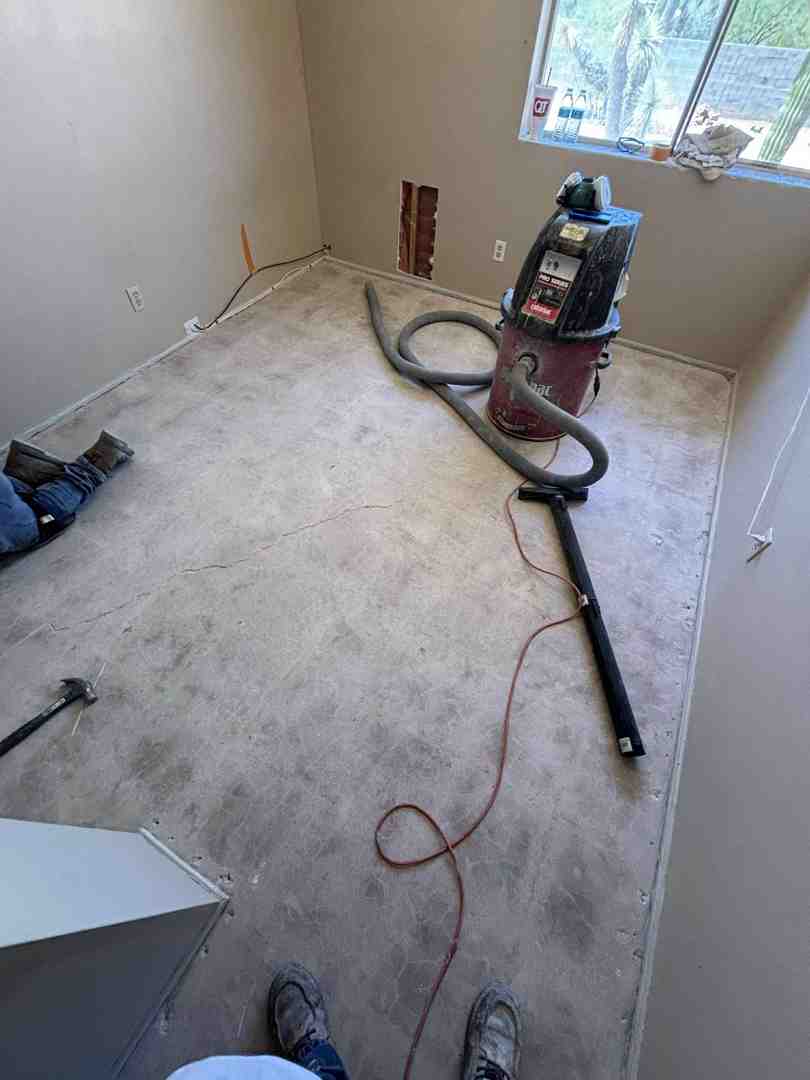
Why Concrete Surface Preparation is the Foundation of Success
Concrete surface preparation is the critical first step that determines whether your new floor coating will last decades or fail within months. This process involves removing contaminants, repairing damage, and creating the perfect texture for permanent adhesion.
Essential steps for concrete surface preparation:
- Assessment: Test surface soundness and identify contaminants
- Cleaning: Remove oils, grease, old coatings, and debris
- Profiling: Create proper texture (CSP 3-5 for most applications)
- Testing: Verify moisture levels and bond strength
- Priming: Seal the substrate for maximum adhesion
The secret to Galaxy’s lifetime-warranted floors isn’t just our advanced polyaspartic coatings – it’s the meticulous preparation work that creates an unbreakable bond. While DIY epoxy kits might seem tempting, they often fail because homeowners skip or inadequately perform these crucial prep steps.
Professional mechanical preparation using diamond grinders and shot blasters removes the weak surface layer called laitance and opens the concrete’s pores. This creates the “mechanical teeth” needed for Galaxy’s Penntek Flake/Chip and Polyurea Shop systems to bond permanently – something acid etching and DIY methods simply cannot achieve.
I’m Hayley Shahbazi, Manager at Galaxy Concrete Coatings, and I’ve overseen thousands of successful installations across Arizona, Indiana, Colorado, and Southern Ohio. My expertise in concrete surface preparation and Penntek coating systems has made Galaxy the nation’s top installer, ensuring every project meets the highest standards of quality and durability.
Easy Concrete surface preparation glossary:
The Interstellar Difference: Why Our Prep Stands Out

The difference between a floor that looks out of this world and one that’s stuck in a galaxy far, far away often comes down to the quality of concrete surface preparation. Many issues, such as peeling, delamination, or blistering, are direct consequences of inadequate preparation. Our polyaspartic coatings, known for their durability and stunning appearance, rely on a perfectly prepped surface to form an unbreakable bond. This ensures our one-day installations lead to a lifetime of satisfaction.
The Pre-Flight Checklist: Assessing Your Concrete’s Condition
Every stellar coating project begins with understanding what we’re working with. Just like astronauts wouldn’t launch without checking every system, we never start a concrete surface preparation project without thoroughly assessing your concrete’s current condition. This critical evaluation determines exactly what preparation steps are needed to achieve a flawless finish and prevent future issues like peeling or bubbling.
Step 1: Inspection and Analysis
Our mission-critical assessment begins the moment we step onto your concrete. We’re looking for crucial indicators that tell the complete story of your slab’s health and readiness for our polyaspartic coating systems.
Surface soundness is our first checkpoint. We perform a tap test using professional tools like a rebound hammer, listening carefully for the telltale signs of concrete integrity. A sharp rebound and clear sound indicate strong, sound concrete that’s ready for our advanced preparation. A dull thud accompanied by powder suggests weak, unsound areas that need more aggressive attention. We also scratch the surface with specialized tools – healthy concrete should leave only a shiny mark, not loose particles. For Galaxy’s high-performance polyaspartic coatings to perform at their best, your concrete substrate needs a minimum compressive strength of 3,626 psi with a minimum pull-off strength of 218 psi.
Identifying contaminants is where our detective work really begins. Concrete surfaces can harbor many hidden enemies that act as barriers to proper adhesion. We carefully check for dirt, oil, grease, old paint, sealers, and the particularly troublesome curing compounds. These wax or resin-based substances leave an invisible film that prevents our coatings from bonding properly. We also inspect for laitance – that weak, brittle layer of cement and water that rises to the surface during concrete curing. This must be completely removed because it will disintegrate under stress and cause our beautiful coatings to disbond.
Evaluating cracks and damage requires both experience and precision. We carefully measure crack widths and assess the extent of any spalls or imperfections using professional tools and techniques. This evaluation guides our repair material selection and determines how much preparation work is needed. Any weak or deteriorated concrete must be removed down to a sound base before we can proceed. For more complex damage scenarios, explore our comprehensive concrete floor repair services.
Decoding the Concrete Surface Profile (CSP)
Think of the Concrete Surface Profile as creating the perfect landing zone for our stellar coatings. CSP measures the roughness of a concrete surface on a scale from CSP 1 (smooth as a sheet of paper) to CSP 10 (rough like exposed aggregate). Getting the right CSP is absolutely vital for creating the mechanical “teeth” that allow Galaxy’s polyaspartic coatings to bond permanently with your concrete.
Understanding CSP standards begins with the International Concrete Repair Institute (ICRI), which developed this standardized system to classify surface texture. We measure CSP by the average distance from the peaks to the valleys of the surface texture. Our technicians use ICRI rubber comparators – specialized chips that replicate the ten grades of surface roughness – to visually and tactilely match the prepared surface to the desired profile. This ensures consistency and quality across every Galaxy project.
Why profile matters for adhesion comes down to basic physics and chemistry. The surface profile directly impacts how well our polyaspartic coatings bond with your concrete. A properly profiled surface dramatically increases the surface area, allowing our advanced materials to deeply penetrate and mechanically interlock with the concrete substrate. This creates an incredibly strong, long-lasting bond that prevents common coating failures like delamination and peeling. Without adequate profiling, even the best polyaspartic coating will simply sit on top of the concrete, waiting to fail. Learn more about our commitment to superior bonding through professional concrete floor surface preparation.
For most applications, CSP 3 to 5 provides the sweet spot for our Penntek Flake/Chip and Polyurea Shop systems. CSP 1-2 surfaces are typically too smooth for our high-performance coatings, while CSP 3 works well for thin-film applications and serves as a starting point for many residential garage floors. CSP 4-5 is ideal for our primary coating systems, providing excellent mechanical adhesion for medium-build coatings across residential garages, commercial showrooms, and industrial warehouses. Higher profiles like CSP 6-9 are reserved for thicker overlays or situations requiring significant material removal, such as heavy-duty industrial settings or removing old, thick coatings. CSP 10, the roughest profile, is used for very thick polymer overlays and is typically created with heavy equipment for specialized applications.
Mission Control: A Guide to Concrete Surface Preparation Methods
Choosing the right preparation method is the difference between a floor that lasts decades and one that fails quickly. For high-performance coatings like Galaxy’s Penntek Flake/Chip and Polyurea Shop systems, professional mechanical preparation isn’t just recommended—it’s absolutely essential. These methods ensure the concrete is not only spotless but also has the perfect CSP profile for our coatings to create an unbreakable bond that truly lasts a lifetime.
Mechanical Preparation: The Professional’s Choice
At Galaxy Concrete Coatings, we believe in doing things the right way the first time. That’s why our installers rely on state-of-the-art, dust-controlled equipment to achieve the perfect surface profile every single time. Diamond grinding and shot blasting have become the gold standard in our industry for creating clean, porous surfaces that give our polyaspartic coatings the perfect foundation to anchor themselves permanently.
Diamond grinding uses rotating abrasive discs embedded with diamond segments to smooth and level concrete surfaces with incredible precision. This method excels at removing minor surface flaws, old coatings, and stubborn contaminants while achieving CSP levels from 2 to 8. Our team uses large walk-behind grinders for maximum efficiency on open areas and smaller handheld units for tight spaces like stairs and corners. Every grinder connects to our industrial dust recovery units, ensuring up to 95% dust-free operation—keeping your space clean while we work our magic.
Shot blasting represents the most professional and effective method for preparing industrial and commercial floors. This process uses centrifugal force to propel tiny steel shot at the concrete surface at high speeds, effectively removing laitance, weak concrete, dirt, and contamination while simultaneously creating that roughened, textured profile we need (CSP 2 to 9). It’s our go-to choice for horizontal surfaces in warehouses, manufacturing facilities, and showrooms because it provides the most consistent, reliable surface for coating adhesion.
For concrete surfaces that have seen better days—those with severe damage, uneven areas, or very thick existing coatings—scarifying might be necessary. This heavy-duty method uses a drum equipped with tungsten carbide cutters that chip away at the concrete, capable of removing thicker layers and achieving higher CSP levels (4 or higher). While effective for serious removal jobs, scarifying creates a rougher surface that sometimes requires follow-up grinding or shot blasting to achieve the ideal profile for our coatings.
Our commitment to dust-free systems sets us apart from the competition. All our mechanical preparation equipment pairs with high-powered vacuum and dust collection systems, meaning minimal disruption and a significantly cleaner environment during the preparation phase. We take pride in leaving your space cleaner than we found it, making our entire process as seamless as possible for you and your family or business.
One critical advantage of our chosen methods is avoiding microcracking. Some aggressive preparation techniques, such as flame blasting or heavy scarifying, carry the risk of introducing tiny cracks into the concrete surface. These microcracks can weaken the surface and compromise the bond of any coating applied afterward. Our preferred methods—diamond grinding and shot blasting—when performed by our skilled concrete coating installers, minimize this risk completely, ensuring the structural integrity of your concrete remains intact.
Why DIY Falls Short: The Risks of Non-Professional Prep
Many homeowners get tempted by DIY methods like acid etching or those home improvement store kits, thinking they can save money and achieve professional results. Unfortunately, these approaches are often hazardous to handle, extremely difficult to neutralize properly, and completely ineffective at removing oils or grease that have penetrated the concrete. While they might slightly roughen the surface, they simply cannot create the robust profile needed for Galaxy’s polyaspartic coatings to form a permanent bond.
Acid etching might seem like the easy route, but it has severe limitations that can doom your project from the start. This method primarily dissolves only the very top layer of concrete and doesn’t create a consistent or deep enough profile (typically CSP 1-3) for our advanced polyaspartic systems. More importantly, acids don’t remove petroleum-based products, animal oils, or vegetable oils that have soaked into the concrete over time. These contaminants must be physically removed or treated with specialized degreasers—something acid etching simply cannot accomplish.
The neutralization problems with acid etching create another headache entirely. If acid isn’t thoroughly neutralized and rinsed away, it leaves behind salt residues that interfere with coating adhesion and can cause efflorescence—those unsightly white powdery deposits that appear later. This chemical residue becomes a ticking time bomb for premature coating failure.
Pressure washing and hand tool cleaning might seem like logical alternatives, but they’re equally inadequate for serious concrete surface preparation. Pressure washing removes loose dirt and debris but creates no surface profile whatsoever for strong adhesion. Hand tools like sanders or wire brushes only work for very small areas and cannot achieve the uniform, adequate profile required across an entire floor. These methods simply don’t provide the “tooth” that our durable coatings need to grip properly.
The reality is that professional mechanical preparation is the only reliable way to ensure a long-lasting, beautiful result. When you compare why polyaspartic is better than DIY epoxy, the difference becomes crystal clear. Many DIY kits rely on inferior epoxy formulations that are less durable and flexible than our polyaspartic coatings. More critically, DIY preparation methods almost always fall short of industry standards, leading to common problems like hot tire pickup, peeling, and chipping within months of installation. Our professional process, combined with the superior properties of polyaspartic technology, ensures a far more resilient and long-lasting floor that truly performs out of this world.
Launch Success: Testing and Verifying Your Prep Work
How do you know the prep work is ready for coating? Galaxy’s professionals use industry-standard tests to verify the surface is clean, dry, and strong enough for a successful installation. This quality control step is non-negotiable for a lifetime-warrantied floor—we leave nothing to chance when preparing your concrete for its stellar change.
The Final Checks for Concrete Surface Preparation
Before we launch into the coating application, we conduct a series of meticulous checks to ensure your concrete is primed for an out-of-this-world bond. Think of this as our final countdown before liftoff—every detail must be perfect.
Moisture testing (ASTM D 4262-83) is perhaps the most critical step in our quality control process. Moisture is the silent enemy of concrete coatings, capable of causing delamination and blistering that can destroy even the best installation. We use the ASTM D 4262-83 polythene sheet test, where we tape a sheet of thick plastic to the floor for 16-24 hours. If we find beads of water on the underside, it indicates sufficient moisture vapor to interfere with coating adhesion—a red flag that means we need to wait longer or take corrective action.
We also use precision moisture meters and relative humidity probes to get exact readings. For our polyaspartic coatings to achieve their legendary bond strength, the concrete must be sufficiently dry throughout, not just on the surface.
Dew point checks ensure we’re working in optimal environmental conditions. The substrate temperature must be at least 5°F above the dew point—this isn’t just a guideline, it’s a requirement for success. When the concrete surface temperature falls below the dew point, condensation forms an invisible layer of moisture that will prevent proper adhesion. Our team monitors these environmental factors continuously, because even the best concrete surface preparation can be undone by poor timing.
For critical commercial and industrial applications, we may perform pull-off tests for bond strength (ASTM D4541). This test measures the tensile strength of the bond between the prepared concrete and a test patch, determining the greatest perpendicular force a surface area can withstand before material detaches. It’s our way of proving that the surface preparation meets the highest standards.
Tensile and compressive strength verification ensures your concrete substrate meets our minimum requirements. We need concrete with at least 3626 psi compressive strength and 218 psi pull-off strength to support our high-performance coatings. Concrete’s tensile strength is only 10-15% of its compressive strength, which is why proper preparation and bonding are so crucial.
Creating a job standard for every project sets us apart from other contractors. While ICRI comparators provide general guidance, we create a small, prepared area on your actual concrete slab that achieves the specified CSP. This tangible benchmark ensures everyone—from our crew to you—agrees on the desired profile before we proceed with the full installation.
The Role of Primers
A primer acts as the “interstellar glue” between the prepared concrete and our coating system. It’s a critical component in our Penntek Flake/Chip and Polyurea Shop systems, ensuring maximum adhesion and a flawless finish that will last a lifetime.
Primer function goes far beyond what most people understand. These specialized materials penetrate deep into the concrete’s pores, creating a strong mechanical bond while sealing the surface to prevent outgassing—those air bubbles that can escape from concrete and cause pinholes or craters in the cured coating. This is especially important for our non-breathable polyaspartic coatings, which form an impermeable barrier.
Sealing the substrate creates a uniform foundation for the subsequent coating layers. By sealing the porous concrete, primers prevent the substrate from absorbing too much of the coating material, ensuring proper curing and coverage. This step is crucial for achieving the consistent appearance and performance our customers expect.
Enhancing adhesion is where our specialized primers truly shine. They’re formulated to work synergistically with our polyaspartic topcoats, creating an unbreakable bond that withstands heavy traffic, chemicals, and extreme temperatures. This primer-coating combination is essential for the long-term performance and durability of the entire system. You can learn more about the components that make up our stellar concrete coating products.
The primer application itself is an art form. Our technicians apply it at the precise thickness and coverage rate, ensuring complete penetration and uniform coverage. Too little primer and you risk poor adhesion; too much and you can create a weak layer that compromises the entire system.
Mission Failure: Common Mistakes to Avoid
Even with the best intentions, mistakes during surface prep can lead to catastrophic coating failure. Avoiding these common pitfalls is key to ensuring your investment pays off for years to come. When it comes to concrete surface preparation, there’s no room for shortcuts or second chances—one mistake can turn your dream floor into a costly nightmare.
The image above tells a story we see far too often—a DIY epoxy floor that’s peeling and flaking like old paint on a weathered fence. This isn’t just an aesthetic disaster; it’s a safety hazard and a complete waste of time and money. The root cause? Inadequate preparation that doomed the project from day one.
Inadequate cleaning is perhaps the most common mistake we encounter. Many homeowners think a quick sweep and mop will suffice, but our polyaspartic coatings demand perfection. Every trace of dirt, oil, grease, paint, or curing compounds must be completely removed. These contaminants act like invisible barriers, preventing even the strongest coating from forming a proper bond. It’s like trying to glue two pieces of wood together with oil between them—it simply won’t hold.
Ignoring moisture issues is another recipe for disaster. Concrete may look dry on the surface, but hidden moisture lurking beneath can cause catastrophic problems. When moisture tries to escape through a non-breathable coating, it creates pressure that literally pushes the coating off the concrete. The result? Blistering, bubbling, and eventual delamination that can ruin an entire floor.
The wrong CSP for the coating is a technical mistake that has major consequences. Many DIY enthusiasts think acid etching creates enough texture, but it typically only achieves a CSP 1-3—far too smooth for our advanced polyaspartic systems. Without the proper mechanical “teeth” for the coating to grip, even the most expensive materials will eventually fail. It’s like trying to climb a glass wall without any handholds.
Choosing DIY kits over professionals might seem like a money-saving strategy, but it usually costs more in the long run. DIY kits simply don’t provide the industrial-grade equipment needed for proper concrete surface preparation. Home improvement store grinders and acid etching solutions can’t achieve the consistent, deep profile that our shot blasters and diamond grinders create. The result is often a coating that looks good initially but fails within months or years.
Poor crack repair is another common oversight. Cracks aren’t just cosmetic issues—they’re signs of movement in the concrete. If not properly repaired with the right materials and techniques, these cracks will continue to move and eventually telegraph through the new coating. Our team understands how to properly evaluate and repair different types of cracks to ensure they won’t cause problems later. For complex crack issues, we recommend exploring our concrete floor joint repair services.
Finally, many people underestimate dust and debris as a prep issue. Even microscopic particles can prevent proper adhesion, creating weak spots that will eventually fail under stress. Our dust-controlled preparation methods aren’t just about keeping your space clean—they’re about ensuring every square inch of concrete is ready for a perfect bond.
The truth is, these mistakes are entirely avoidable when you work with professionals who understand the science behind concrete surface preparation. Our Galaxy team has seen every possible prep failure, and we’ve perfected our process to eliminate these risks entirely. While DIY disasters like the one shown above are unfortunately common, they don’t have to be your story.
Conclusion: Achieve an Out-of-This-World Finish
When it comes to changing your concrete floors, concrete surface preparation isn’t just another step in the process—it’s the foundation that determines whether your investment will shine like a star for decades or crash and burn within months. Think of it as the launch sequence that makes or sets your floor up for mission failure.
The difference between a floor that looks stellar for a lifetime and one that starts peeling after a few months comes down to the quality of preparation work. Every crack filled, every contaminant removed, and every surface properly profiled creates the perfect launchpad for our polyaspartic coatings to bond permanently with your concrete.
At Galaxy Concrete Coatings, we’ve perfected this mission-critical process through years of experience and thousands of successful installations. Our team uses state-of-the-art equipment and proven techniques to guarantee results that are truly out of this world. We don’t cut corners or rush through prep work—we understand that the beauty and durability of your finished floor depends entirely on getting these foundational steps right.
Our commitment to excellence in concrete surface preparation has made us the number one Penntek dealer in the US for both 2023 and 2024. This achievement reflects our dedication to quality and the trust our customers place in our expertise. When you choose Galaxy, you’re choosing a team that treats every project like it’s the most important mission in the galaxy.
The meticulous attention we pay to surface preparation, combined with our advanced Penntek Flake/Chip and Polyurea Shop systems, creates floors that don’t just look amazing—they perform flawlessly under pressure. Whether you’re dealing with heavy foot traffic, chemical spills, or extreme temperature changes, a properly prepared and professionally installed Galaxy floor will continue to impress for generations.
Ready to launch your concrete change project? Our stellar team is standing by to handle the mission-critical prep work that makes all the difference. Explore our concrete coating service options and find how we can take your concrete into the next galaxy of performance and beauty.
We proudly serve the following locations: